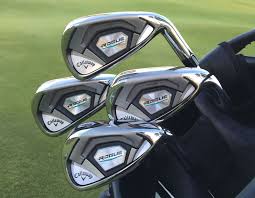
01 · The VerdictA lot of club for the money, and a lot of forgiveness for the miss.
Updated for 2026 — This article has been reviewed and updated with the latest recommendations.
The golf ball you play matters more than most average golfers realize, but not in the way marketing suggests. You do not need a $50 per dozen tour ball to play well. In fact, many average golfers would score better with a mid-range ball that matches their swing speed and playing style. Here is how to pick the right ball without overthinking it.
| Product | Best For | Price | Rating | Key Feature |
|---|---|---|---|---|
| Callaway Chrome Soft | Overall pick | $48/doz | ★★★★★ | Soft feel, high spin around greens |
| Titleist Velocity | Maximum distance | $35/doz | ★★★★☆ | LSX core, high launch, low spin |
| Bridgestone e6 | Straight flight | $30/doz | ★★★★☆ | Reduces slice and hook spin |
| Kirkland Signature 3-Piece | Budget pick | $13/doz | ★★★★☆ | Urethane cover at rock-bottom price |
| TaylorMade Tour Response | Tour feel on budget | $40/doz | ★★★★★ | 100% cast urethane cover |
02 · Why Ball Selection MattersWhy Ball Selection Matters
Golf balls differ in three main ways: compression, spin, and construction.
These differences affect how far the ball flies, how it feels off the clubface, and how it behaves around the greens.
Compression is how much the ball squishes at impact. Low compression balls (around 50 to 70) compress more easily and are designed for slower swing speeds (under 90 mph). High compression balls (90 to 110) need faster swings to compress fully and are designed for swing speeds above 100 mph.
Playing the wrong compression means you are leaving distance on the table.
Spin affects both distance and control. Low spin off the driver means less sidespin and straighter, longer drives. High spin on wedge shots means more stopping power on the green. The best balls for average golfers offer low driver spin with moderate to high wedge spin.
Construction ranges from two-piece (distance-focused, durable, lower cost) to three, four, and five-piece balls (more spin separation between long and short shots, higher cost).
Average golfers generally do not benefit from anything more complex than a three-piece ball.
03 · Best Golf Balls for Average GolfersBest Golf Balls for Average Golfers
- Callaway Chrome Soft - Around $40/dozen: A three-piece ball with a low compression core (75) that works well for swing speeds from 80 to 100 mph. Produces low driver spin for straighter drives and good greenside spin for approach shots.
The feel is soft and satisfying off both driver and putter. This is the best all-around ball for average golfers. Check Latest Price
- TaylorMade Tour Response - Around $35/dozen: A three-piece urethane-covered ball that plays like a tour ball at a lower price. Good spin separation between driver (low) and wedges (high). Slightly firmer feel than the Chrome Soft.
Excellent value for a urethane ball. Check Latest Price
- Titleist TruFeel - Around $25/dozen: Titleist's softest ball. Two-piece construction with a low compression core. Maximum distance for slower swing speeds and very soft feel around the greens. Does not spin as much on wedge shots as urethane-covered balls, but the forgiveness off the tee more than compensates for most average players.
- Srixon Soft Feel - Around $22/dozen: A two-piece ball with an extremely soft feel (60 compression). Great for swing speeds under 90 mph. Produces a high launch with low spin off the driver. The price makes it easy to play without worrying about losing a few balls per round. Check Latest Price
- Vice Pro Soft - Around $32/dozen: A three-piece urethane ball from a direct-to-consumer brand.
The performance rivals balls costing $45 to $50 per dozen. Low compression (75), urethane cover for greenside spin, and excellent feel. Buy direct from Vice for the best pricing. Check Latest Price
04 · How Swing Speed Affects Ball ChoiceHow Swing Speed Affects Ball Choice
This is the most practical way to narrow down your options:
- Under 85 mph driver swing speed: Play a low compression ball (50 to 65). Srixon Soft Feel or Titleist TruFeel.
- 85 to 95 mph: Play a mid compression ball (65 to 80). Callaway Chrome Soft or Vice Pro Soft.
- 95 to 105 mph: You can play mid or high compression. TaylorMade Tour Response or Callaway Chrome Soft.
- Over 105 mph: High compression balls like Titleist Pro V1 or TaylorMade TP5 will give you the best performance, though these are not really budget balls.
If you do not know your swing speed, most golf shops with a launch monitor will measure it for free. You can also estimate: if you carry your driver about 200 to 220 yards, you are probably in the 90 to 95 mph range.
05 · Stop Losing Expensive BallsStop Losing Expensive Balls
Here is a practical truth: if you lose more than two or three balls per round, playing a $50 per dozen premium ball is literally throwing money into the woods. A $25 per dozen ball that fits your swing speed will perform nearly as well off the tee and only sacrifices a small amount of greenside spin. That spin difference matters far less than confidence and consistency.
When your handicap drops into single digits and you are rarely losing balls, that is when upgrading to a premium tour ball makes a measurable difference in your scoring. Until then, the mid-range options listed above are the smart choice.
06 · Specs & FitWhat you get in the box.
◆ Handicap Fit · Tester Consensus
07 · Pros & ConsThe short version.
- Mishit forgiveness that flatters the average amateur swing.
- Launch window suits mid-handicap swing speeds (78–92 mph).
- Hybrid replacements are genuinely playable, not token additions.
- Price-to-performance is the best in the golf equipment category right now.
- Feel on pure strikes is muted versus forged competition.
- Wide sole can be a liability on firm, tight lies.
- Offset is generous — faders will need to account for it.
- Stock grip is functional but forgettable.
08 · AlternativesIf this one isn't right for you.
Golf Club Fitting Guide: What to Expect and Why It Matters