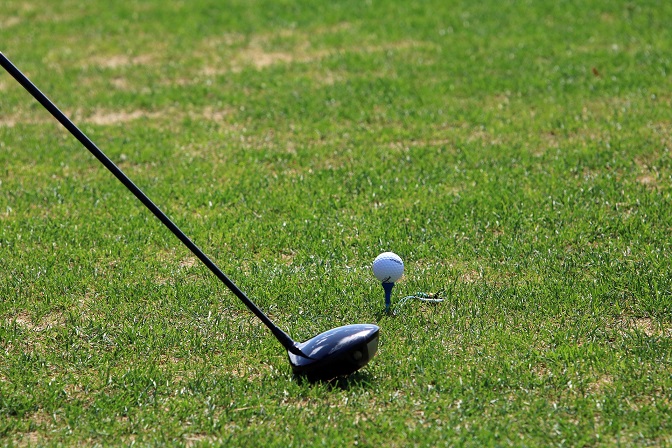
Summer heat affects your golf game in ways that go beyond discomfort. Dehydration reduces concentration and decision-making. Fatigue sets in earlier, degrading swing mechanics on the back nine. Sweaty grips slip. Course conditions change as heat firms up fairways and speeds up greens. Playing well in the heat requires physical preparation and strategic adjustments that account for how your body and the course behave differently in extreme temperatures.
02 · Hydration Starts Before the RoundHydration Starts Before the Round
If you wait until you are thirsty on the course to start drinking water, you are already behind. Dehydration that begins on the front nine cannot be fully corrected by drinking water on the back nine. The fluid deficit affects your performance for the rest of the round even if you increase your intake later.
Drink 16 to 20 ounces of water in the hour before your tee time. During the round, drink 4 to 6 ounces every two to three holes, which works out to roughly one full water bottle every six holes. After the round, continue drinking to replace what you lost through sweat.
Water is the primary fluid you need. Sports drinks with electrolytes are helpful if you are sweating heavily, particularly if you are walking in high humidity. The electrolytes (sodium, potassium, magnesium) replace what your body loses in sweat and help your cells retain the water you drink. Avoid caffeine-heavy drinks and alcohol during the round, as both have mild diuretic effects.
03 · Clothing ChoicesClothing Choices
Wear light-colored, moisture-wicking fabrics. Dark colors absorb more solar radiation, and cotton traps moisture against your skin. Modern performance golf apparel is designed to pull sweat away from your body and allow airflow, keeping you cooler than traditional cotton polo shirts.
A hat with a wide brim provides shade for your face and neck, reducing the direct heat load on your body. A bucket hat or wide-brimmed hat offers more coverage than a standard baseball cap. Sunglasses reduce eye strain from bright conditions, which contributes to mental fatigue over 18 holes.
Sunscreen is not optional. Apply a broad-spectrum SPF 30 or higher sunscreen before the round and reapply every two hours or after heavy sweating. Sunburn is painful, but the energy your body spends managing sun damage also contributes to overall fatigue during the round.
04 · Grip ManagementGrip Management
Sweaty hands are one of the most practical problems in hot weather golf. A grip that slips during the swing destroys confidence and causes compensations that lead to poor shots.
Carry a dry towel and wipe your grips and hands before every shot. Some players carry two towels: one attached to the bag for general use and one in a pocket for quick hand drying between shots.
Gloves wear out faster in the heat because sweat saturates the material. Carry a spare glove and rotate between the two, letting each one dry between uses. Some players remove their glove between shots to let both the glove and their hand air out.
Grip enhancement products like rosin bags or grip spray can help maintain traction in humid conditions. Keep one in your bag and apply it when your hands feel particularly slick.
05 · Pace and Energy ManagementPace and Energy Management
Walk in the shade whenever possible, even if it means taking a slightly longer route between shots. The temperature difference between direct sun and shade can be 10 to 15 degrees, and every minute out of the sun helps your body manage its core temperature.
If you are riding in a cart, park in shaded areas when available. The cart roof provides some shade, but metal carts sitting in direct sun absorb heat and radiate it back at you. Parking under a tree when waiting for the group ahead makes a noticeable difference in comfort.
Eat small, easily digestible snacks throughout the round. Trail mix, granola bars, and fruit provide sustained energy without the heaviness of a large meal. Your body is burning extra calories managing its temperature, and steady fuel intake prevents the energy crash that often hits around the 13th or 14th hole.
06 · Course Condition AdjustmentsCourse Condition Adjustments
Hot, dry conditions firm up fairways and increase roll. Drives that normally carry 220 and roll to 240 might roll out to 260 on a baked fairway. Factor in the extra roll when choosing your aim points off the tee. A fairway bunker that you normally carry easily may be in play when the ground is hard and the ball runs an extra 20 yards.
Greens speed up when they are dry and firm. Approach shots that normally stop within a few feet of their landing spot may release and roll farther. Club down on approaches and plan to land the ball shorter, letting it bounce and roll to the flag rather than trying to fly it directly to the pin.
Putting speeds increase on dry greens. In your pre-round putting warm-up, pay close attention to how much the ball rolls compared to normal conditions. Adjust your stroke length and tempo accordingly. Many golfers three-putt more in the heat not because their technique changes but because they are not accounting for faster greens.
07 · Knowing Your LimitsKnowing Your Limits
Heat-related illness is a genuine risk during summer golf. Signs of heat exhaustion include heavy sweating, weakness, dizziness, nausea, and headache. If you experience any of these symptoms, stop playing immediately. Move to shade, drink cool water, and cool your body down.
If symptoms progress to confusion, rapid heartbeat, or lack of sweating, you may be experiencing heat stroke, which is a medical emergency. This is rare in recreational golf but possible in extreme heat, especially for golfers who are not acclimated to high temperatures or who have pre-existing health conditions.
No round of golf is worth risking your health. If the heat is unbearable and you are not feeling right, walk in. You can play again tomorrow when conditions are better or you are better prepared.
Playing golf in the heat is manageable with proper preparation. Hydrate early, dress smart, manage your energy, and adjust your game for the conditions. The golfers who score well in the summer are not the ones who ignore the heat. They are the ones who respect it and plan for it.