Wind is the great equalizer in golf. It exposes weaknesses in technique, punishes poor decisions, and rewards the player who understands how to adjust. Most amateur golfers lose more strokes to poor wind management than to poor swing technique on windy days. Learning to play in the wind is not about hitting special shots. It is about making smart decisions with the swing you already have.
02 · The Fundamental Principle: Lower is BetterThe Fundamental Principle: Lower is Better
A ball that flies lower is affected less by wind than one that flies high. This applies to headwinds, crosswinds, and even tailwinds, where a high ball can balloon upward and lose distance. Every wind strategy starts with the goal of keeping the ball lower than your normal trajectory.
The simplest way to hit the ball lower is to take more club and make a shorter, more controlled swing. Instead of a full 7-iron, take a 6-iron and swing at 75 percent. The reduced swing speed produces less backspin, which lowers the ball flight. The extra club compensates for the shorter swing, so the ball still travels the desired distance.
Ball position adjustments also lower trajectory. Moving the ball slightly back in your stance (about half an inch to an inch) promotes a lower launch angle. Do not move it too far back or you will change the bottom of your swing arc and start hitting fat or thin shots.
03 · Headwind StrategyHeadwind Strategy
The instinct when playing into a headwind is to swing harder. This is the worst thing you can do. Swinging harder increases spin, and increased spin in a headwind causes the ball to balloon upward and lose distance dramatically. A ball hit with too much spin into a strong headwind can actually go shorter than one hit with a controlled, smooth swing.
Club up aggressively. In a 20 mph headwind, you might need two to three extra clubs on approach shots. A shot that normally calls for a 7-iron might need a 5-iron. Take the extra club, grip down half an inch for control, and swing smooth. The ball will fly lower and punch through the wind better than a full swing with less club.
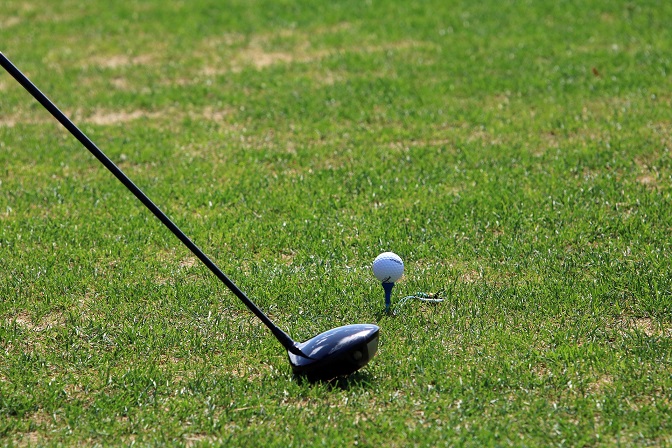
Tee the ball lower on par 3s and driving holes when hitting into the wind. A lower tee height promotes a lower launch angle, keeping the ball under the worst of the headwind.
04 · Tailwind StrategyTailwind Strategy
A tailwind adds distance to your shots, but it also reduces backspin effectiveness, meaning the ball will roll more after it lands. Factor in the extra roll when choosing where to aim approach shots. A ball that normally stops within five feet of where it lands might roll 15 or 20 feet on a firm green with a tailwind.
With a strong tailwind, you can take advantage of the extra distance off the tee by teeing the ball higher and launching it into the wind. The tailwind will carry it farther. On approach shots, consider landing the ball short of the green and letting it bounce and roll onto the putting surface rather than trying to fly it directly to the pin.
05 · Crosswind StrategyCrosswind Strategy
Crosswinds require you to choose between two approaches: aim into the wind and let it bring the ball back to your target, or shape the ball against the wind to hold it on line.
For most golfers, the first approach is safer. If the wind is blowing left to right, aim left of your target and let the wind push the ball back toward the middle. This requires trust, because you are deliberately starting the ball away from the target. But it is a simpler play than trying to hit a draw or fade on command.
The risk of aiming into the wind is that if the wind dies down mid-flight, your ball ends up on the side you aimed toward. Accept this possibility. In gusty conditions, aiming into the wind and accepting an occasional miss on the windward side is better than trying to fight the wind with shot shaping and missing badly when the gust is stronger or weaker than expected.
06 · Course Management AdjustmentsCourse Management Adjustments
On windy days, favor the center of the green on approach shots. Attacking pins that are near the edges brings water, bunkers, and out-of-bounds into play when the wind pushes the ball sideways. A shot aimed at the center of the green that gets blown slightly still finishes on the putting surface. A shot aimed at a tucked pin that gets blown may finish in a hazard.
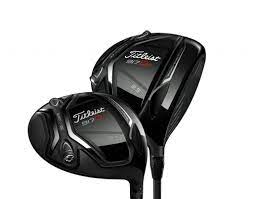
Off the tee, consider hitting less than driver if accuracy is more important than distance. A 3-wood or hybrid struck solidly and placed in the fairway is worth more than a driver that catches the wind and ends up in trouble. Windy days reward controlled golf, not aggressive golf.
On short par 4s and reachable par 5s with tailwinds, take advantage of the extra distance when the risk is manageable. On holes where the wind pushes you toward trouble, back off and play conservatively.
07 · Mental ApproachMental Approach
Accept higher scores on windy days. Every player in the field is dealing with the same conditions, and the course is playing harder for everyone. If your normal score is 85, shooting 92 in a 25 mph wind is not a bad round. Judging yourself against your calm-day standard creates frustration that leads to poor decisions.
Commit to your club selection and swing before you address the ball. Second-guessing yourself mid-swing because a gust picked up is a recipe for poor contact. Make your decision, trust it, and execute.
Stay patient. Wind makes every hole feel longer and harder. The temptation to force shots to make up for perceived lost distance leads to the biggest mistakes on windy days. Play within yourself, keep the ball in play, and let the short game do the scoring.
Wind is a part of golf, and learning to play in it well is a skill that separates complete golfers from fair-weather players. The adjustments are not complicated, but they require discipline and a willingness to set ego aside in favor of smart strategy.