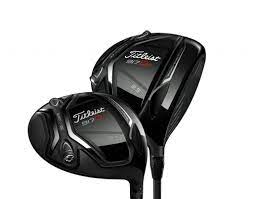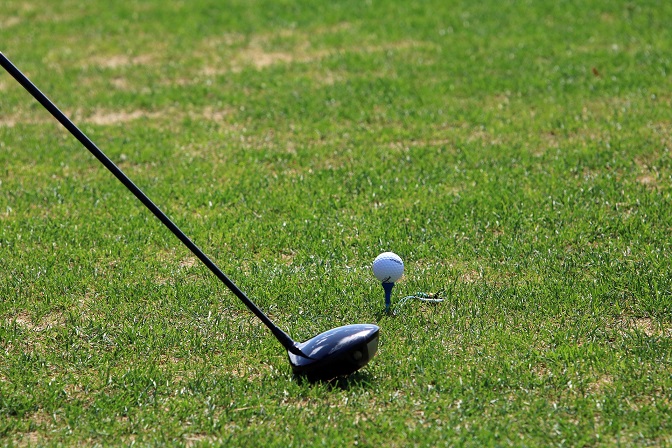
Playing golf with clubs that do not fit your body and swing is like wearing shoes two sizes too big. You can get around, but everything feels slightly off, and you are compensating for the equipment rather than playing your natural game. A professional club fitting takes the guesswork out of equipment selection by matching club specifications to your individual swing characteristics.
02 · Who Should Get FittedWho Should Get Fitted
The short answer is everyone who plays golf regularly enough to care about improvement. The longer answer recognizes that fitting benefits different players in different ways.
Beginners benefit from fitting because it prevents them from buying equipment that works against their developing swing. A beginner fitted into the right shaft flex, lie angle, and club length starts building swing habits around properly fitted equipment rather than developing compensations to handle ill-fitted clubs.
Mid-handicap players often see the biggest improvement from fitting because they have established swing patterns that are consistent enough for a fitter to measure and optimize. A mid-handicapper who has been playing with clubs that are too stiff, too long, or set at the wrong lie angle can see immediate improvement from properly fitted equipment.
Low-handicap players benefit from the fine-tuning that fitting provides. Their swings are consistent enough that small adjustments in shaft weight, flex profile, and head design produce measurable differences in ball flight and distance.
03 · What Gets MeasuredWhat Gets Measured
A comprehensive fitting session measures several aspects of your physical characteristics and swing dynamics.
Static measurements come first. The fitter measures your height, wrist-to-floor distance, hand size, and arm length. These measurements establish baseline club length and grip size recommendations. They are starting points, not final answers, because your swing dynamics also influence the optimal specifications.
Swing dynamics are measured using a launch monitor, which tracks club head speed, ball speed, launch angle, spin rate, and shot shape. You hit a series of shots with different club configurations while the launch monitor records the data. The fitter analyzes the data to identify which combinations produce the best results for your swing.
Shaft testing is often the most impactful part of the fitting. The shaft is the engine of the golf club, and the right shaft flex, weight, and bend profile can change your ball flight dramatically. You typically hit shots with three to five different shafts, comparing the launch monitor data and your personal feel for each option.
Lie angle testing determines whether the sole of the club sits flat on the ground at impact. If the club is too upright, the toe lifts and the face points left for right-handed golfers. If it is too flat, the heel lifts and the face points right. Proper lie angle ensures that where you aim is where the ball goes.
04 · What to Expect During the SessionWhat to Expect During the Session
A full bag fitting takes two to three hours. You hit shots with your driver, fairway woods, hybrids, irons, and wedges while the fitter adjusts specifications and records data. Bring your current clubs so the fitter can compare your existing equipment to the fitted options.
Warm up before the session. You will hit a lot of balls, and cold muscles produce swing characteristics that do not represent your normal game. Arrive 15 minutes early and stretch. Hit a small bucket of balls on the range before the fitting begins.
Be honest about your game during the fitting. The fitter needs to know your typical shot shape, your miss tendencies, and what you are trying to improve. If you typically slice the ball, say so. The fitter is not judging your game; they are gathering information to make better recommendations.
Do not try to impress the fitter with your best swing. Swing naturally. Fitters need to see your real swing, not an artificially groomed version that you cannot maintain on the course. The clubs will be optimized for your actual swing, so the more authentic your swings during the fitting, the better the results.
05 · Key Specifications Being OptimizedKey Specifications Being Optimized
Club length affects how far you stand from the ball and how you make contact. Clubs that are too long force you to stand too far away or choke down, while clubs that are too short make you bend over excessively. The right length lets you address the ball in a natural, athletic posture.
Shaft flex must match your swing speed and tempo. A shaft that is too stiff produces a low, fading ball flight for many golfers. A shaft that is too flexible causes the club head to lag and can produce inconsistent contact. The right flex loads and unloads at the correct point in your swing.
Loft and lie angle affect trajectory and direction. Even within the same model of iron, adjustments of one or two degrees in loft and lie can change the ball flight meaningfully. These adjustments are made during the fitting based on your launch monitor data and impact patterns.
Grip size affects hand pressure and club control. Grips that are too small cause the hands to over-grip and fight the club. Grips that are too large restrict wrist action and can slow the club head. The right grip size lets you hold the club firmly but without tension.
06 · After the FittingAfter the Fitting
The fitter provides a specification sheet detailing every parameter of your fitted clubs. Review this sheet before placing an order to make sure you understand what was recommended and why. Ask questions about anything that is unclear.
Custom-built clubs typically take two to four weeks to arrive. Once you receive them, play several rounds before making judgments. It takes time to adjust to clubs that feel different from what you have been playing, even when the new specifications are objectively better for your swing.
Schedule a follow-up with the fitter if anything feels off after a few weeks of play. Good fitters expect follow-ups and are willing to make minor adjustments based on your on-course experience.
Club fitting is not a luxury reserved for good players. It is a practical step that any golfer can take to make sure their equipment helps rather than hinders their game. The cost of a fitting is modest relative to the cost of the clubs themselves, and the improvement in performance and enjoyment is significant.