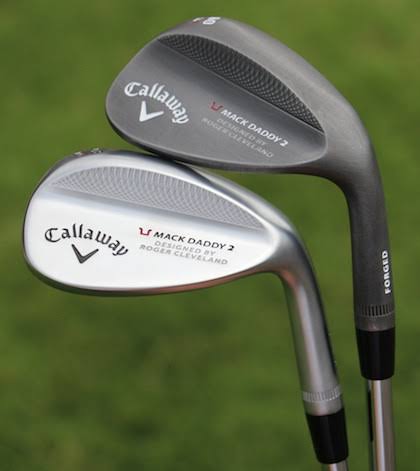
01 · The VerdictA lot of club for the money, and a lot of forgiveness for the miss.
Updated for 2026 — This article has been reviewed and updated with the latest recommendations.
Putting accounts for roughly 40 percent of your total strokes in a round of golf. That means the putter is statistically the most important club in your bag, and yet most beginners spend the least amount of time choosing one. A putter that suits your stroke and inspires confidence at address will save you more strokes than any driver or iron upgrade.
02 · Mallet vs BladeMallet vs Blade
Blade Putters
Blades are the traditional, compact shape.
They are smaller, lighter, and suit golfers with an arcing stroke path. Blades provide less forgiveness on off-center hits because they have less perimeter weighting.
Mallet Putters
Mallets are larger and have more mass pushed to the perimeter. This increases the moment of inertia (MOI), meaning the head twists less on off-center strikes. Mallets also typically have more room for alignment aids.
For most beginners, a mallet putter is the better choice.
03 · Top Putters for BeginnersTop Putters for Beginners
Odyssey Ai-ONE Mallet
AI-designed face insert provides consistent ball speed even on mishits. Clear alignment lines on the back. Soft and responsive feel. Stroke-balanced weighting suits a wide range of stroke types.
Cleveland Huntington Beach SOFT Premier
Outstanding value.
Milled face with Speed Optimized Face Technology. Clean alignment system. Tour-quality features at a fraction of premium prices.
TaylorMade Spider GT Rollback
High-MOI design is extremely forgiving. True Path alignment system leaves no guesswork. Stable feel through the stroke without being too heavy. Great for golfers who struggle with alignment and consistency.
Ping Sigma 2 Fetch
Unique ball-retrieval notch in the back lets you pick the ball from the cup without bending over.
Dual-durometer face insert for consistent speed. Simple alignment line. Excellent build quality.
Titleist Phantom X 5
Blade-style look with mallet-level forgiveness. Multi-material construction pushes weight to the perimeter. Milled aluminum and stainless steel. Premium feel and appearance. A putter that stays in your bag for years.
04 · Putter Fitting BasicsPutter Fitting Basics
Length is the most important variable. Standard is 34 inches for men and 33 for women, but your height and posture determine what is right. At address, your eyes should be directly over the ball or slightly inside it. Your arms should hang naturally.
Grip size matters too. Thicker grips quiet the hands and reduce wrist action, promoting consistency. Most beginners benefit from a slightly thicker grip.
05 · Practice HabitsPractice Habits
Spend at least a third of your practice time putting. Distance control is more important than line reading for beginners. If you can consistently get within three feet from 20 to 30 feet, you will eliminate most three-putts.
Set up a simple drill: five balls at three feet, five feet, and ten feet. Make all five from three feet before moving back. This builds confidence and establishes a solid stroke foundation.
The putter is the great equalizer in golf. You do not need athletic ability or swing speed to putt well. You need a putter that fits, a repeatable motion, and time on the green.
06 · Specs & FitWhat you get in the box.
◆ Handicap Fit · Tester Consensus
07 · Pros & ConsThe short version.
- Mishit forgiveness that flatters the average amateur swing.
- Launch window suits mid-handicap swing speeds (78–92 mph).
- Hybrid replacements are genuinely playable, not token additions.
- Price-to-performance is the best in the putters category right now.
- Feel on pure strikes is muted versus forged competition.
- Wide sole can be a liability on firm, tight lies.
- Offset is generous — faders will need to account for it.
- Stock grip is functional but forgettable.